Meet the Terps: Myrcene, the Most Common Terpene in Cannabis
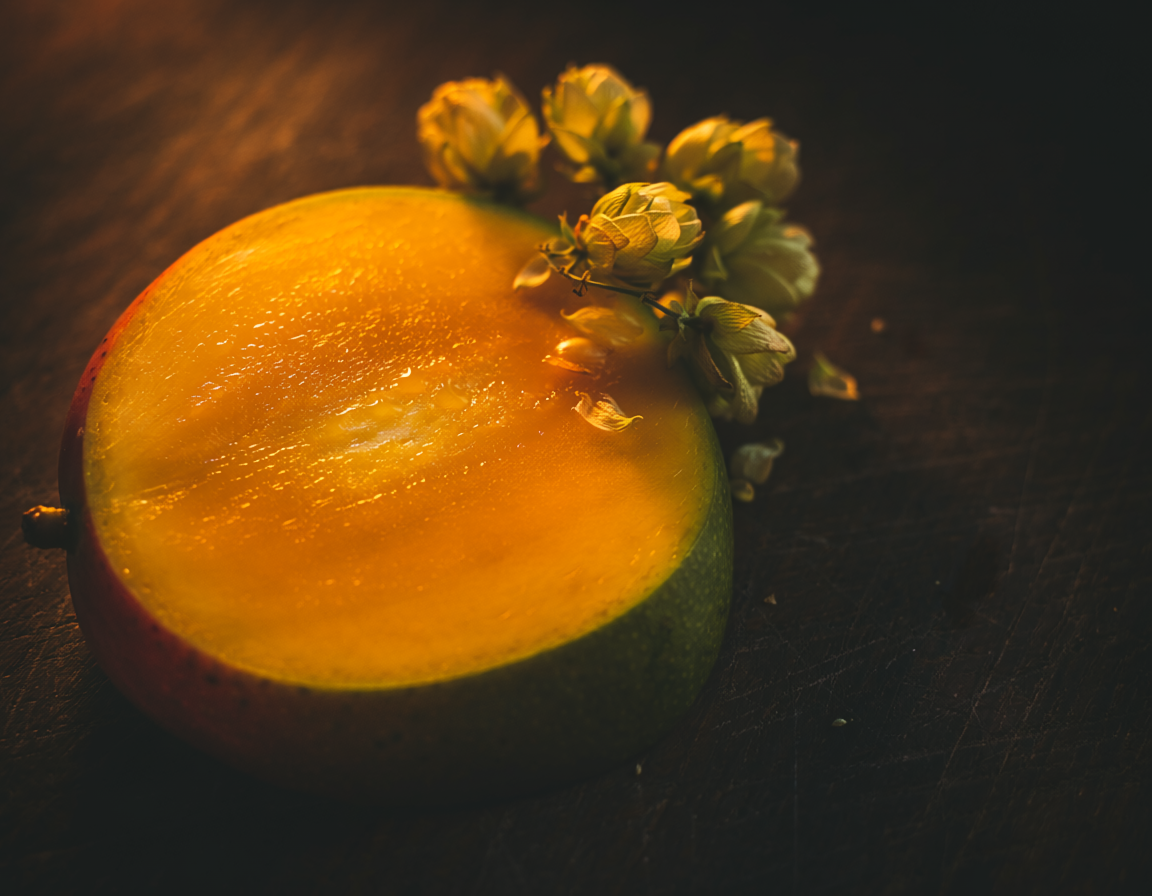
If you’ve ever cracked open a jar and caught something earthy, musky, almost tropical — that’s myrcene. It’s the most abundant terpene in cannabis, and one of the most common in nature overall. Mangoes, hops, lemongrass, and thyme all carry it too, which is exactly why some strains smell less like a plant and more like a fruit bowl.
At Ritual, we believe an educated patient is a happy patient, and terpenes are one of the most overlooked parts of that education. So, let’s geek out for a minute on what myrcene actually is, what the research says it does, and how to spot it the next time you’re shopping.
What Is Myrcene?
Myrcene (technically beta-myrcene) is a monoterpene — one of the simpler building blocks in the terpene family. In cannabis, it’s produced in the same resin glands as THC and CBD, which is why terpene content and cannabinoid content tend to rise and fall together as a plant matures.
It’s also a big part of why two strains with identical THC percentages can feel completely different on the body. THC and CBD set the ceiling for potency. Terpenes like myrcene shape the actual experience underneath that ceiling: the mood, the body feel, the come-up.
What Does Myrcene Do?
Myrcene is most associated with relaxing, body-heavy effects. Research suggests it may have sedating and muscle-relaxing properties, which is part of why indica-leaning strains — which tend to run higher in myrcene — have earned their reputation for couch-lock.
There’s also early evidence that myrcene may help cannabinoids cross the blood-brain barrier more efficiently, essentially amplifying the effects of everything else in the plant around it.
Researchers call this synergy the entourage effect, and myrcene is one of the terpenes most often credited with making it happen.
“Cannabinoids set the ceiling. Terpenes shape the experience.”
How Much Myrcene Is in a Strain?
Myrcene shows up on nearly every certificate of analysis (COA), usually listed as the first or second terpene by percentage. A myrcene content above 0.5% is generally considered high. If you’re shopping for something to help you wind down at the end of the day, that’s the number worth asking your budtender about.
No. Myrcene itself doesn’t get you high — THC does that. Myrcene works alongside cannabinoids to shape how relaxed, sedated, or heavy a strain feels.
Does myrcene make weed more sedating?
Many people report that high-myrcene strains feel heavier and more body-relaxing, which lines up with myrcene’s reputation as a sedating, muscle-relaxing terpene. Individual experience varies, so it’s worth tracking what works for you.
Where else is myrcene found?
Outside of cannabis, myrcene is abundant in mangoes, hops, lemongrass, and thyme — which is part of why a really good mango actually does seem to make some people’s high feel a little stronger. There isn’t strong evidence this myth holds up scientifically, but it’s a fun bit of cannabis folklore worth knowing.
Come Ask Us About Myrcene
Terpenes are one of our favorite things to talk about because they explain so much of why a strain feels the way it does. Next time you’re in, ask your budtender to point you toward something high in myrcene — or pull up a COA together and start learning to read one yourself.
Visit us in store or follow along at @explore_ritual for the next episode of Meet the Terps: Limonene, the citrus terpene that might just lift your mood.
Main Menu
Are you over 21 years old?
You need to be 21+ years old to view content on this website or purchase our products.